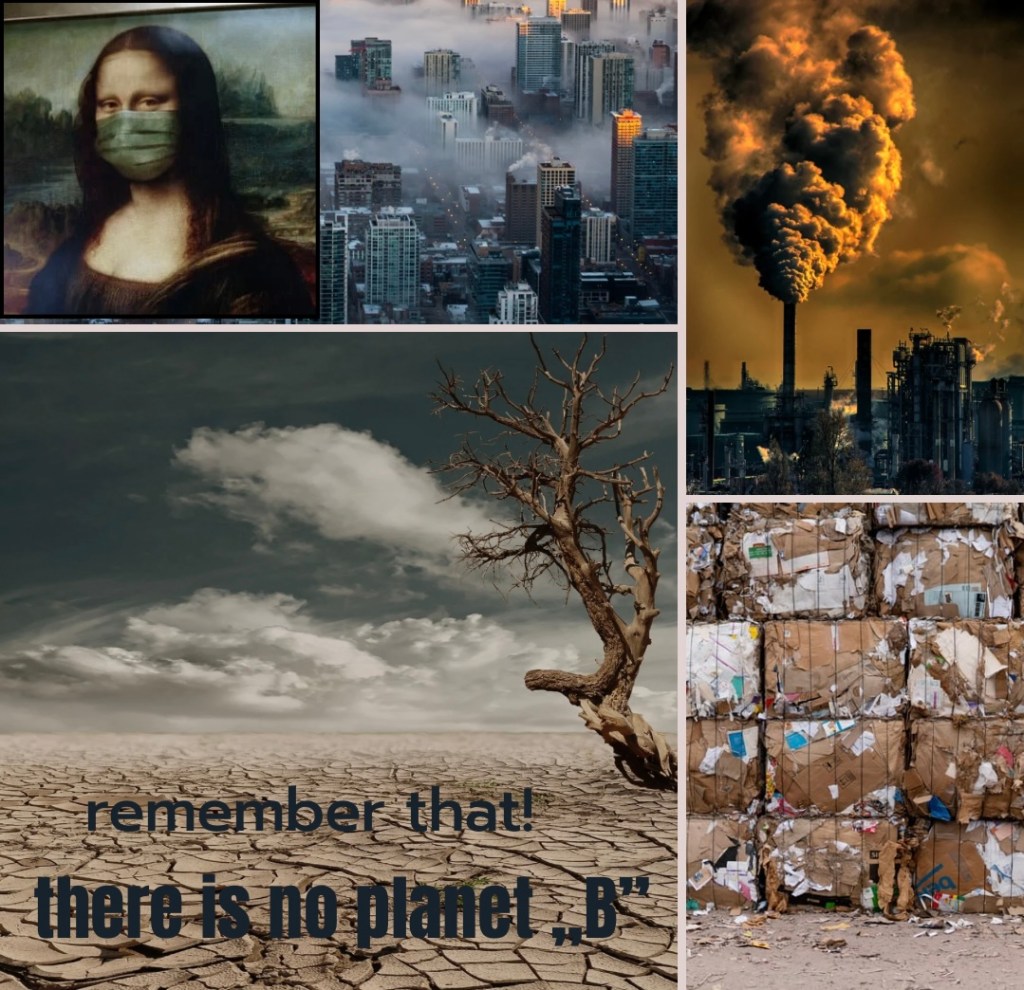
Environmental pollution has emerged as a major cause for the rising trend of infertility all over the world, due to the universal presence of environmental contaminants.
Environmental pollution is caused by 4 main pollutants:
- Gases (SO2, NO2, Ammonia, CO, organic volatile compounds, etc.): Promote miscarriage and stillbirths
- Heavy metals (Cu, Pb, Zn, etc.) : Act as endocrine disrupting chemicals (EDCs)
- Organic pollutants (like Insecticides and pesticides, polycyclic aromatic hydrocarbons (PAHs), polychlorinated biphenyls (PCB), dioxins, dicamba, glyphosate, organochlorine, perfluorochemicals, organophosphates, thiocarbamates, phthalates, Microplastics, nanoplastics, etc.): Decrease fecundity by 25-50%, increases time-to pregnancy by acting as endocrine disrupting chemicals (EDCs), and gameto-toxins.
- Particulate matter (2.5mm, 5mm, and 10mm) due to dust, pollens, diesel exhaust, etc.: Effect gonadal steroidogenesis and gametogenesis, lead to abnormal organogenesis, premature and preterm birth, small for gestational age, impairment in newborn lung function and immune function, and increased risk of brain developmental disorders and cognitive disorders after birth.
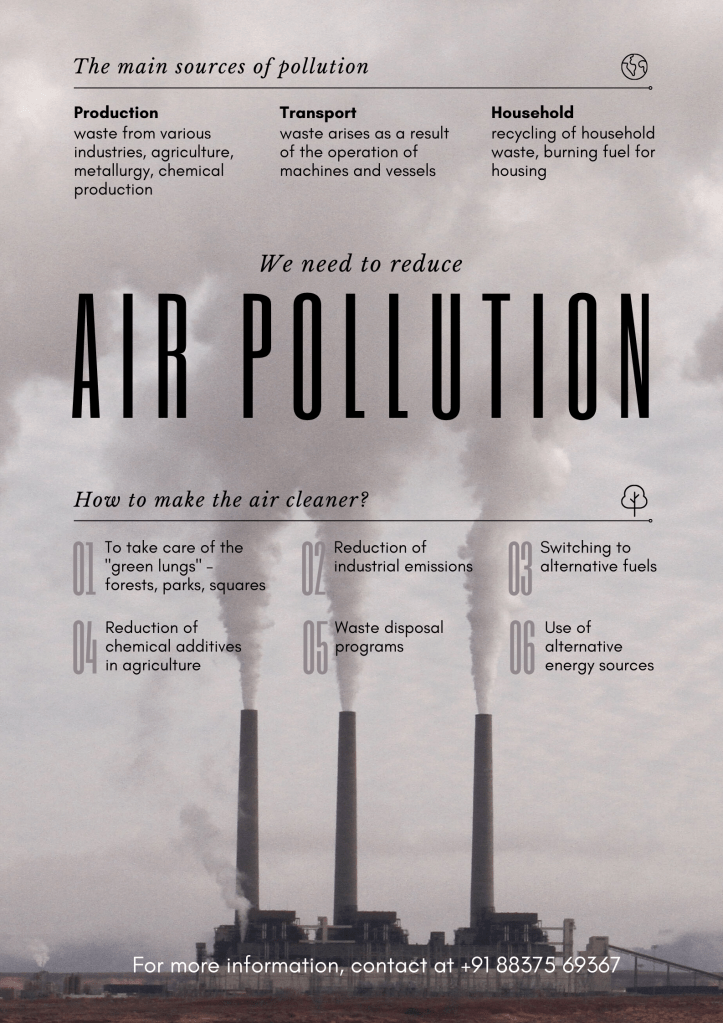
NICHD research shows that exposure to persistent organic pollutants (POPs) and endocrine-disrupting chemicals (EDCs) in the environment can affect male and female fertility.
Environmental toxins cause infertility in 4 ways:
- Endocrine disruption.
- Damage to female reproductive system.
- Damage to male reproductive system.
- Increased risk of abortion.
Air pollution has a negative impact on both male and female gametogenesis. These impacts not only influence the quantity of gametes but also on their quality on a genetic and epigenetic level. These impacts also alter the embryo development.
Endocrine disrupting chemicals (EDCs) are typically man-made and are found in materials such as pesticides, metals, food additives and personal care products. Human exposure commonly occurs via the ingestion of food, dust and water, the inhalation of gases and particles in the air, and through the skin.
Various chemical toxicants including phthalates and pesticides are detected at alarming levels in 99%-100% of pregnant women in United States.
The worst chemicals that have the most negative impact of fertility are organochlorine compounds (chlorinated pesticides, polychlorinated biphenyls, and dioxins), bisphenol A (BPA), organophosphate pesticides, and herbicides.
The worst fertility reducing pesticides and herbicides appear to be dicamba, glyphosate, 2,4-D, organophosphates, and thiocarbamates.
LIFE study published in 2014 concluded that male bisphenol A (BPA) exposures is associated with an approximately 20% reduction in fecundity and increased time to pregnancy interval.
EARTH study (2018) conducted on 799 women and 487 men who were seeking IVF treatment, found that higher urinary concentrations of some phthalate metabolites is associated with reduced oocyte yields, lower likelihood of clinical pregnancy, increased risk of pregnancy loss and lower likelihood of live birth following infertility treatment.
A recent meta-analysis (2023) showed that Bisphenol A have harmful effects on human male fertility, causing changes in testosterone hormone, effect spermatogenesis, decrease the semen quality and quantity, increase the DNA fragmentation index.
The effect of various pollutants on human reproduction is summarised below:
| Various pollutants | Source of exposure | Effect on human fertility |
| Mercury | Dental fillings, broken thermometer, topical skin creams, fish (king mackerel, shark, swordfish, marlin, orange roughly, tile fish, and tuna fish), | Spontaneous abortion, reduced fertility |
| Lead | Battery factory workers, jewellery makers, painters, industrial workers exposed to certain gases, pica or lead gazed pottery used for cooking, Certain toys, jewellery and imported cosmetics like lipsticks | Decreasing sperm count, motility, and morphology, pre-term delivery and LBW, spontaneous abortion |
| Cadmium | Rechargeable batteries, pigment in paint, plastic production, tobacco smoking, waste product of mining, smelting, waste burning, electroplating, fish, shellfish, organ meat, rice, wheat, leafy vegetables, potatoes, and celery root | Decreased fertilisation, increased reactive oxygen species, decreased implantation rate, preterm delivery, low birth weight, smaller head circumference, low semen quality, decreased motility, decreased testosterone levels, irregular menses |
| Pesticides | Air, water, food, Soft drinks, sea food. Most contaminated food items are Strawberries, Spinach Kale, collard and mustard greens, Peaches, Pears, Nectarines, Apples, Grapes | Obesity, Type 2 diabetes, coronary artery disease, Decreased total sperm count, decreased percent of morphologically normal sperms, increase abortion, increase birth defects |
| Bisphenol A | “Polycarbonate plastics” used for storage of food and beverages, shatterproof windows, and “Epoxy resins” used to coat metal food cans, bottle tops, and water supply pipes. | Obesity, Poor oocyte quality, impaired spermatogenesis, poor semen quality, increased time to pregnancy interval |
| Phthalates | Shampoos, hair spray, and nail polish, lipsticks, aftershave lotions, cleansers, perfumes, moisturisers, PVC/vinyl building products, medical storage bags and tubings made of PVC, vinyl toys | Abortions, preterm deliveries, Abnormal semen parameters, Early puberty in girls, Endometriosis, Shorter anogenital distance in boys. |
| Parabens | Preservatives in personal health care products and cosmetics | Breast cancer, Skin irritations, allergic reactions, etc. |
Conclusion
Plasticisers like Bis-phenol A and phthalates, and heavy metals like lead and cadmium appear to affect the human fertility drastically.
It is high time, that we should consider measures to reduce the exposure to these harmful chemicals.
- Use organic household items,
- Grow more trees,
- Preserve water,
- Restrict the use of plastics,
- Avoid sea food,
- Eat house grown fruits and vegetables,
- Encourage organic farming,
- Limit the consumption of canned food, bottled drinks
- Use energy efficient appliances,
- Use face masks in polluted areas,
- Restrict the use of cosmetics that contain harmful chemicals,
- Use natural fragrances instead of artificial fragrances.


Leave a Reply