
It is estimated that 15% of reproductive-age couples in the world experience difficulty in getting pregnant, i.e. at least 50 million couples. About 15-20 % of these couples are diagnosed with unexplained infertility. These couples go through various fertility treatments to improve their likelihood of getting pregnant.
Body weight, body composition, physical activity, and nutrients intake are important factors other than usual causes of male and female infertility, that can lower the fertility potential.
Obesity interferes with reproductive potential, especially through changes in the HPG axis, impaired testicular steroidogenesis, and metabolic disorders including insulin, cytokines, and adipokines. Excess body fat has a negative impact on sperm parameters, including concentration, mobility, viability, and normal sperm morphology. Also, morbidly obese women (BMI > 30 kg/m2) have more than two fold greater risk of ovulatory disorders.
Metabolic disorders, such as obesity, type 2 diabetes, and insulin resistance are associated with the deterioration of fertility mainly as a result of the generation of oxidative stress. Hyperglycemia has a negative impact on sperm motility and the fertilization process.
Here are some important tips to improve the body metabolism and well-being, therefore increase your chance of getting pregnant.
Diet and fertility
Food items that we consume in our diet make an important aspect for our living.
Mediterranean styled diet (MeD), characterized by a lower consumption of trans-fatty acids (TFAs) and a higher consumption of monounsaturated fatty acids (MUFA), high plant-derived protein and decreased consumption of animal protein, high consumption of low glycemic index foods, high-fiber foods, and interestingly high-fat dairy, is considered as Pro-fertility diet as it improves the chances of getting pregnant by improving the oocyte and embryo quality.
The high-fat dairy increases fertility as it has higher content of estrogen and fat-soluble vitamins. Interesting, consuming high dairy products negatively correlated with the risk of endometriosis. It has been found that consumption of >3 portions of dairy/day decreases the risk of endometriosis diagnosis by 18%, when compared with the consumption of 2 servings. Additionally, women consuming >4 portions of dairy daily during adolescence presented a 32% lower risk of endometriosis during adulthood than women consuming ≤1 portion. Moreover, the total dairy intake was positively associated with live birth among women aged ≥35 years.
Western-style diet (WsD) is rich in refined and simple carbohydrates (mostly sugar, sweets, and sweetened beverages) and red and processed meat. Also, it is characterized by a low intake of fresh fruits and vegetables, unrefined grains, low-fat poultry, and fish. Therefore, WsD is characterised as high caloric, fats, and that has high glycemic index, with a low consumption of dietary fibers and vitamins.
A higher consumption of fast food and a lower intake of fruit is associated with infertility, and with a moderate increase in the time to become pregnant.
Trans-fatty acids have pro-inflammatory properties and may increase insulin resistance, increasing the risk of developing type 2 diabetes or other metabolic disturbances, including PCOS, which can negatively affect fertility.
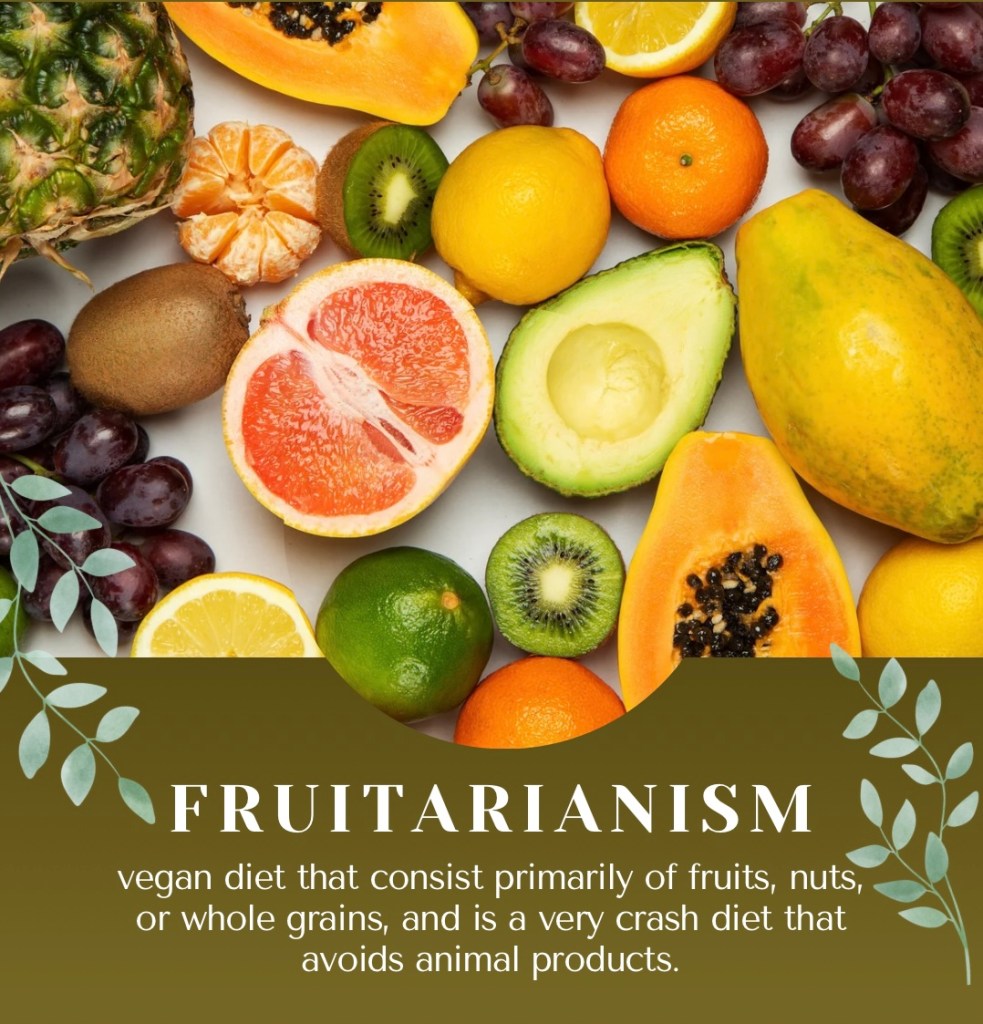
Women who follow the pro-fertility diet more frequently i.e., at least 3 times/week, consume more non-heme iron, take regular multivitamins, in particular group B vitamins (e.g., folic acid), are more physically active.
It is recommended to consume food items that prepared in olive, peanut and canola oil at low flame, eat plenty of almonds, hazelnuts, pecans, pumpkin and sesame seeds, avocados, milk, curd, yogurt, whole grains, soya products, sea food instead of animal meat. Such food items are rich in anti-oxidants and omega -3- fatty acids that acts as anti-inflammatory and enhance fertility.
Bring variety in your food, and avoid excess of anything.
Add supplements of vitamin D, vitamin C, folic acid, zinc and selenium in your routine. These act as pro-antioxidants and help in improving the quality of the gametes.
Exercise and Fertility
Indulge at least 30 minutes of moderate to vigorous physical activity in the form of training exercises and increase your activity effort when you can. There are mainly 5 types of exercises.
Steady state cardiovascular exercise
It aims to increase your heartbeat to a maximum of 220. It includes running, treadmill, cycling, dancing, and aerobic classes.
High-intensity interval training (HIIT)
It involves balancing intense exercise bursts with rest intervals. It leads to improvement in insulin sensitivity, high-density lipoprotein cholesterol and sex hormone binding globulin, and a decrease in fat percentage. Perform it atleast 3 times a week. It includes burpees, tuck jumps, mountain climbers, etc.
Mind-body exercises
Mind-body exercises like yoga, Pilates, and tai chi can help not only burn calories, but also reduce stress levels. Yoga poses like Garland Pose (Malasana), Bridge Pose (Setu Bandhasana), Bow Pose (Dhanurasana), Cat-Cow Pose (Chakravakasana), Head-to-Knee Pose (Janusirsana), Butterfly or Bound Angle Pose (Supta Baddhakonasana), cobra pose (Bhujangasana), lotus meditation (Padma sadhana), Surya Namaskar, Corpse Pose (Shavasana), Chakki Chalanasana (Moving the Grinding Wheel), Bharadvajasana (Bharadvaja’s Twist), etc. help improve metabolism and fertility.
Muscle Strengthening exercises
It involves use of resistance bands, weights, or your own body weight to build muscle strength. Increasing your muscle mass could help you burn more calories at rest, helping you maintain a healthy weight. It include squats, push-ups, or triceps dips, etc.
Interval exercises
It is a way to exercise at different intensity levels, but not necessarily to the heart rate max you do with HIIT. This training type often involves doing different exercises in the same session to keep your heart rate up. It include squats, jumping jacks, lunges, bicep curls, crunches, etc.
These exercises should be done alternating each other every day at least 5 days a week.
Additional tip: make a habit to walk for 30 mins after every major meal.

Meditation and Fertility
Emotional stress as seen infertile females can cause tubal spasm, anovulation, abnormal gamete transport, progestational deficiencies, and hyperprolactinemia and can potentially lead to the luteinized unruptured follicle syndrome.
Mindfulness which is defined as “paying attention in a particular way, on purpose, in the present moment, and nonjudgmentally” helps one gain a deeper understanding into realities of life. It helps in reduction in anxiety, depression, stress, anger, and improvement in well-being and quality of life of infertile women.
Mindfulness based interventions are designed to train individuals to cultivate mindfulness and incorporate its practice into daily life. They encourage the person to change his/her attitude towards life to one which has 7 core components i.e. non-judging, patience, beginner’s mind, trust, non-striving, acceptance and letting go.
These inventions include activities like:
– Try setting aside a few minutes daily to sit quietly and focus on your breath. Observe each inhale and exhale, noticing how your belly and chest rise and fall with your breath.
– Walking meditation: It combines physical activity with mindfulness which is a great way to relax the mind while also stretching and moving the body that promote relaxation and overall wellness.
– Body scan: It is a mindfulness exercise that involves mentally scanning your body from head to toe.
– Exercises like Yoga, tai chi, or simply stretching.
– Try counting: 100-99-98-97-96-95- …, stimulate vision: spot five things around you, stimulate touch: Notice four things you can feel, stimulate hearing senses: listen for three sounds, stimulate smell: detect two scents, stimulate taste: identify one taste.
-Listen to your favourite music, religious talks and inspirational stories, etc.
Mindfulness based interventions improve quality of sleep, regulate cortisol levels, activities of the hypothalamic pituitary adrenal axis (HPA), and immune functions, all of which play an important role in infertility. It has been found that people who practice mindfulness and meditation have a DHEA rate 43% higher than those who do not practice. DHEA is important hormone for male and female fertility. These interventions make the person calm, and improves martial relationship as well. Take help of a psychologist and trained counsellor to help reduce your stress, calm your mind and prepare your body to undergo fertility treatment procedures.
Sleep and Fertility
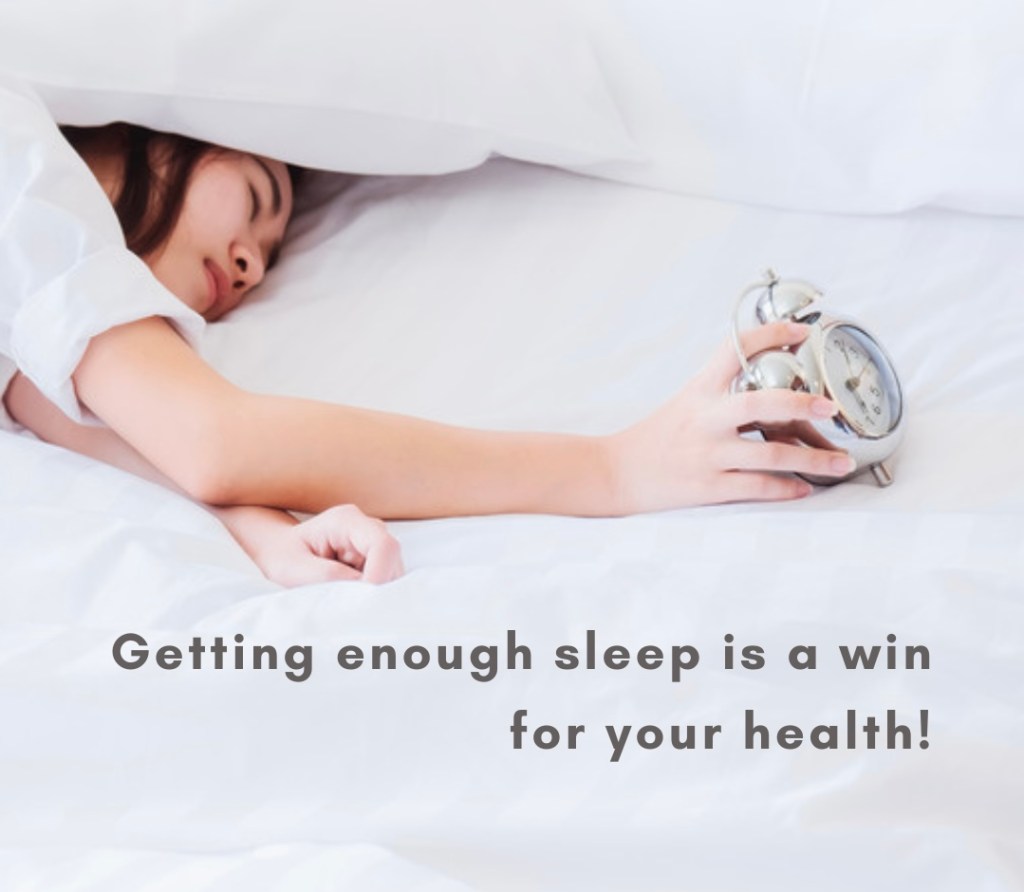
Getting a good night sleep is must. Ensure 7-8 hours of good sleep with 4-6 hours of non-REM sleep and 1.5-2 hours of REM sleep. Sleep improves circadian rhythm and maintains hypothalamic-pituitary-gonadal axis (HPG), henceforth, maintain the hormonal balance that have a positive impact on fertility. Here are some tips to improve your sleep.
- Develop a bedtime routine- brush your teeth, dim your bedroom lights, listen to soothing music, and avoid mobile phones, laptops, TV, etc.
- Keep your bedroom at comfortable room temperature.
- Avoid large meal after 7-7:30 pm.
- Avoid stimulants like coffee, tea, soda, chocolate at night time.
- Avoid naps in the afternoon or evenings.
- Follow a regular sleep schedule- “early to bed (10pm) and early to rise (5-6 am), makes a person healthy, wealthy, and wise!!”
Summary
With the rising trends of infertility, couples undergoing fertility treatments have increased. The most common questions among them are regarding diet and precautions. Healthy diet that is rich in fertility enhancing nutrients, regular exercises and certain activities that can improve their physique, mind, elevate their self-esteem, lower down their stress levels, and improve sleep should be incorporated in the daily routine.
 Dr Anadeep Chandi
Leave a comment